The Lifespan of Cultured Marble: What to Expect
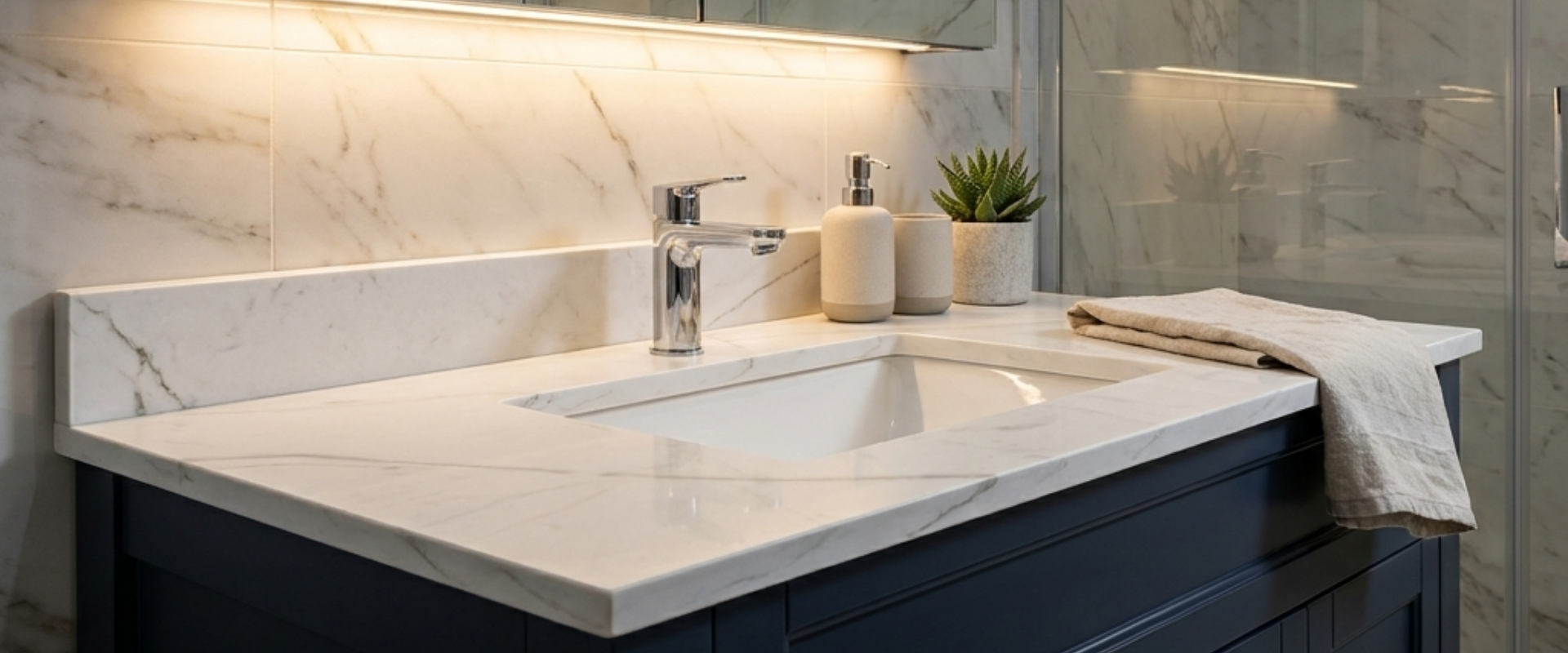
One of the most common questions homeowners, builders, and designers ask about cultured marble is simple: how long does it last? The answer is encouraging. When properly installed and maintained, cultured marble surfaces routinely last 25 to 50 years or more. Many cultured marble vanity tops and shower surrounds installed decades ago are still in excellent condition today, a testament to the material's inherent durability.
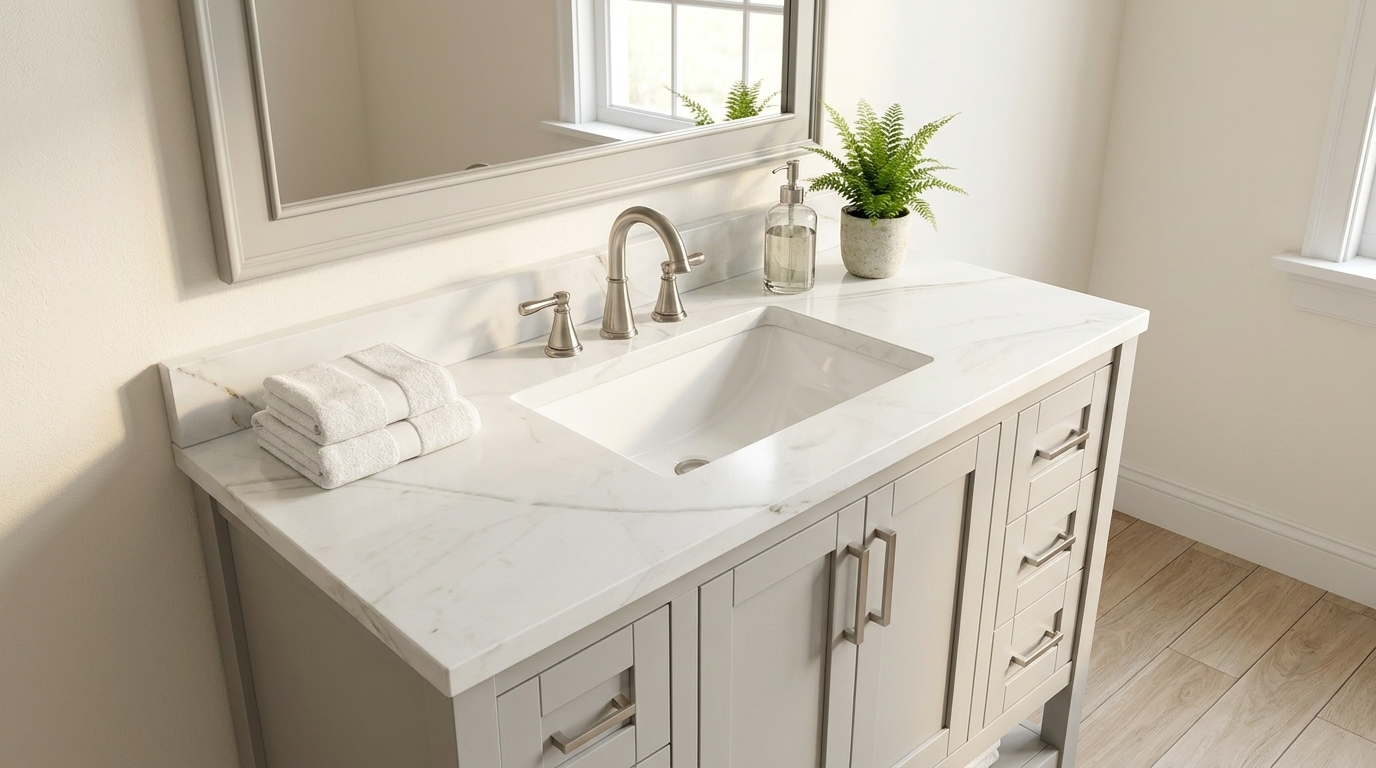
Cultured marble is an engineered surface made from crushed natural marble combined with polyester resins, then finished with a protective gel coat. This gel coat is the key to its longevity — it creates a non-porous barrier that resists moisture, stains, and everyday wear. Unlike natural stone, cultured marble does not require periodic sealing, and its consistent composition means there are no hidden fissures or weak points that can develop cracks over time.
Factors That Affect Durability
While cultured marble is built to last, several factors influence how long your surfaces will maintain their original beauty:
1. Quality of Manufacturing
Not all cultured marble is created equal. The thickness and quality of the gel coat, the ratio of marble to resin, and the curing process all affect long-term performance. ARSTAR, a manufacturer since 2002, produces cultured marble with a premium gel coat thickness and precise resin formulations. Our products are CSA, ANSI, and ISO certified, ensuring consistent quality that meets or exceeds industry standards.
2. Installation Quality
Proper installation is critical. A vanity top that is not level, a shower pan without adequate support, or improper silicone application can all lead to stress fractures or water damage over time. Always follow manufacturer guidelines or hire experienced installers familiar with cultured marble.
3. Daily Care and Cleaning
The single biggest factor in cultured marble longevity is how you care for it. Surfaces cleaned regularly with mild, non-abrasive products will outlast those exposed to harsh chemicals. Avoid abrasive scrubbers, bleach-based cleaners, and acidic products like vinegar, which can gradually degrade the gel coat. For a complete care routine, see our care and maintenance guide.
4. Environmental Conditions
Prolonged UV exposure can cause yellowing on lighter colors over time. Bathrooms with poor ventilation may accumulate moisture that promotes mildew growth (though the non-porous surface prevents it from penetrating). Good airflow and occasional exposure checks go a long way.
Cultured Marble vs. Other Materials: Durability Comparison
How does cultured marble stack up against alternatives?
- Natural granite or marble: Natural stone can last a lifetime, but it requires regular sealing (every 1–2 years) and is susceptible to staining and etching from acidic substances. Cultured marble requires no sealing.
- Solid surface (Corian): Comparable lifespan (25–40 years), but solid surface is more prone to heat damage and often costs more. Both can be refinished.
- Porcelain tile: Individual tiles can last decades, but grout lines degrade, harbor mold, and require regular resealing. Cultured marble's seamless surfaces eliminate grout maintenance entirely.
- Laminate: Budget-friendly but typically lasts only 10–15 years. Laminate cannot be refinished and is highly susceptible to water damage at seams.
- Quartz: Engineered quartz lasts 25–50 years, similar to cultured marble, but at a significantly higher price point — often two to three times the cost.
Signs of Wear and When to Act
Even the most durable surfaces show signs of age eventually. Here is what to watch for:
- Surface dulling: The gloss finish may lose some shine over many years of use. This is typically superficial and can be restored with polishing compound.
- Fine scratches: Light surface scratches from daily use are normal. Most can be buffed out with automotive-grade polishing compound.
- Yellowing: Light-colored surfaces in poorly ventilated bathrooms may develop slight yellowing after 15–20 years. Professional refinishing can address this.
- Chips or cracks: These are usually caused by impact (dropping heavy objects) rather than material failure. Small chips can be repaired with gel coat repair kits.
Refinishing: Extending Life Even Further
One of cultured marble's greatest advantages is that it can be professionally refinished. A refinishing treatment involves applying a new gel coat over the existing surface, essentially resetting the clock on your vanity top or shower surround. This process costs a fraction of full replacement and can add another 15–25 years of service life.
Refinishing is also an opportunity to update the look. If your original cultured marble was gloss white and you prefer a modern matte finish, refinishing can make that happen without demolition.
How Proper Care Extends Life
The difference between a cultured marble surface that lasts 25 years and one that lasts 50+ years almost always comes down to maintenance. Follow these practices:
- Wipe surfaces daily with a soft cloth and mild soap
- Dry standing water promptly — especially around faucets and drains
- Use non-abrasive cleaners only (no Comet, no bleach, no vinegar)
- Apply automotive wax once or twice a year to restore and protect the shine
- Address chips or scratches promptly before moisture can penetrate
For a detailed daily and weekly care routine, visit our cultured marble care guide.
The Bottom Line
Cultured marble is one of the most durable, low-maintenance bathroom surface materials available. With proper care, your ARSTAR cultured marble vanity tops, shower panels, and shower pans will serve you beautifully for decades. And if the surface ever needs refreshing, refinishing offers a cost-effective way to extend its life even further.
Ready to invest in surfaces that last? Contact ARSTAR to explore our full range of cultured marble products, backed by over two decades of manufacturing expertise.